IOI
IOI
The U.S. Supreme Court has been at the center of numerous high-profile legal disputes involving former President Donald Trump. Because Trump appointed three conservative justices during his presidency, many political observers expected the Court to consistently support his legal arguments. However, several recent rulings have demonstrated that the Court does not always side with him. This has sparked debate among legal experts, political analysts, and the public about why a Court with a conservative majority has issued decisions that sometimes reject Trump’s positions.
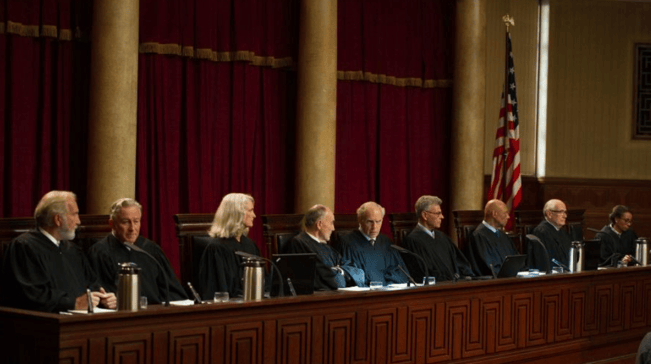
The answer lies in the constitutional role of the Supreme Court. Although justices are nominated by the president and confirmed by the Senate, they are expected to serve independently once they take office. Supreme Court justices receive lifetime appointments, allowing them to make decisions without political pressure or concern about future elections. Their primary responsibility is to interpret the U.S. Constitution and federal laws rather than support the agenda of the president who nominated them.
One of the most common misconceptions is that Supreme Court justices remain loyal to the presidents who appointed them. In reality, American history shows otherwise. Justices appointed by both Republican and Democratic presidents have frequently ruled against the administrations that selected them when they believed the Constitution or legal precedent required a different outcome. This judicial independence is considered one of the cornerstones of the American legal system and is designed to protect the rule of law from political influence.
Donald Trump has been involved in numerous legal cases involving executive authority, presidential immunity, election disputes, administrative decisions, federal investigations, and constitutional questions. Some of these cases have reached the Supreme Court, where the justices carefully evaluated the legal arguments presented by both sides. While the Court has ruled in Trump’s favor in some major decisions, including certain cases involving presidential powers, it has also rejected several of his legal arguments when a majority of the justices concluded that the Constitution or existing legal precedent required a different result.
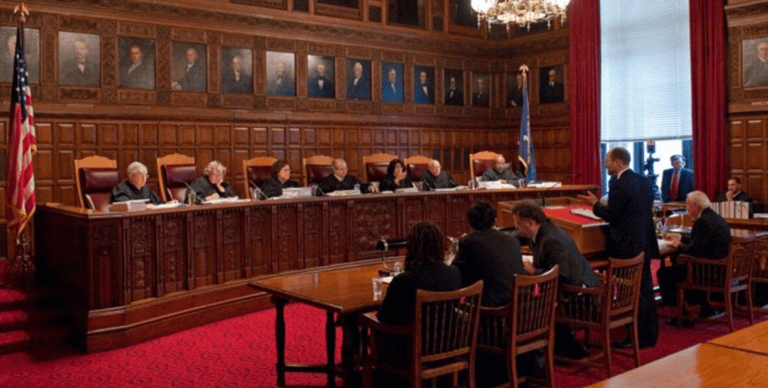
Legal scholars often emphasize that Supreme Court rulings are based on constitutional interpretation rather than political ideology. Every decision made by the Court has the potential to establish legal precedents that could affect future presidents, regardless of political party. For this reason, the justices often focus on the long-term constitutional consequences of their decisions instead of the immediate political impact. A ruling that expands executive authority today could also increase the powers of future presidents, making the Court cautious when interpreting constitutional limits.
The Court’s mixed decisions involving Trump have generated strong reactions across the political spectrum. Many critics argue that the rulings demonstrate the strength and independence of the American judicial system. They believe the Court has shown that even a former president is subject to constitutional limits and legal scrutiny. Supporters of Trump, however, often argue that some decisions have unfairly restricted presidential authority or failed to fully recognize constitutional arguments presented by his legal team. These differing viewpoints reflect the broader political divisions that continue to shape public debate in the United States.
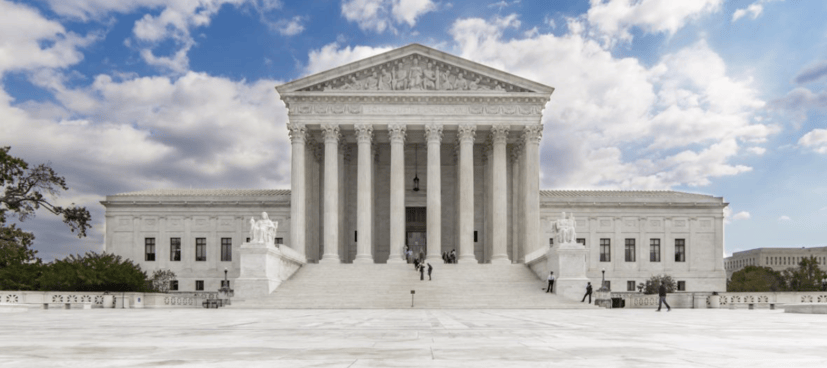
Political commentators remain divided over what these rulings mean for the future of American government. Some describe the decisions as examples of judicial restraint, while others believe they illustrate the Court’s commitment to preserving the balance of power between the executive, legislative, and judicial branches. Regardless of political opinion, constitutional experts generally agree that the Supreme Court’s duty is not to produce political outcomes but to interpret and apply the law as faithfully as possible.
These cases also highlight the importance of the separation of powers, one of the central principles of the U.S. Constitution. The judiciary serves as an independent check on both Congress and the president, ensuring that no branch of government exceeds the authority granted by the Constitution. This system helps preserve democratic institutions and reinforces the rule of law, particularly during periods of intense political disagreement.
As Donald Trump continues to play a significant role in American politics, additional legal disputes involving him may eventually reach the Supreme Court. Future rulings could shape not only Trump’s political future but also the constitutional boundaries of presidential authority for generations to come. Decisions involving executive power, elections, and federal law will continue to influence how future administrations exercise their authority.
Ultimately, the Supreme Court’s record in cases involving Donald Trump demonstrates an important feature of the American constitutional system: justices are expected to follow the Constitution, legal precedent, and the rule of law rather than the political interests of the presidents who appointed them. Although some rulings have benefited Trump while others have not, the Court’s mixed decisions reinforce the principle that judicial independence remains essential to maintaining public confidence in the nation’s legal system. As these legal battles continue, the Supreme Court will remain one of the most influential institutions in shaping the future of American law and constitutional governance.