IOI
IOI
The global political landscape continues to evolve rapidly, with several major developments drawing the attention of governments, investors, and citizens around the world. Reports surrounding the political future of United Kingdom Prime Minister Keir Starmer, former U.S. President Donald Trump’s latest remarks concerning Cuba, and growing concerns over a potential global oil crisis have become key topics in international affairs.
Although these issues originate from different parts of the world, they are connected by a common thread: each has the potential to influence global politics, economic stability, and international relations in significant ways. As geopolitical tensions continue to rise, these developments highlight the increasingly interconnected nature of today’s world.
Keir Starmer’s Political Future
One of the most closely watched political stories is the uncertainty surrounding Keir Starmer’s leadership. Reports suggesting that the British Prime Minister could step down, if confirmed, would represent a major shift in UK politics and potentially reshape the country’s policy direction.
Leadership changes in major economies often create uncertainty among investors and international allies. A transition at the highest level of government could influence domestic priorities, economic reforms, foreign policy, and Britain’s role on the global stage.
Political observers would likely focus on several key questions: What prompted the leadership change? Who could emerge as Starmer’s successor? How would a new leader approach economic policy, immigration, trade, and international partnerships?
Any significant political transition in the United Kingdom is likely to have ripple effects beyond its borders, given the country’s influence in global finance, NATO, and international diplomacy.
Trump’s Cuba Remarks Spark Debate
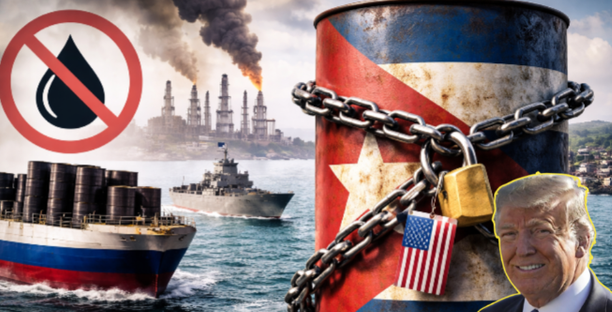
Another issue attracting considerable attention is Donald Trump’s latest comments regarding Cuba.
Throughout his presidency and beyond, Trump has maintained a firm stance toward the Cuban government, advocating economic sanctions and a hardline foreign policy approach. His recent remarks have once again fueled debate over the future of U.S.-Cuba relations, especially as political discussions intensify ahead of the next American election cycle.
Supporters argue that maintaining pressure on Cuba is necessary to encourage political reform and protect U.S. interests in the region. Others believe that greater diplomatic engagement and economic cooperation could produce more sustainable long-term outcomes.
Trump’s comments also raise broader questions about U.S. foreign policy in Latin America and the Caribbean. Decisions regarding sanctions, immigration, trade, and regional security often extend beyond bilateral relations, influencing neighboring countries and international partnerships.
As discussions continue, policymakers and analysts will closely monitor whether these remarks signal potential policy changes or simply reflect broader political positioning.
Growing Concerns Over a Global Oil Crisis
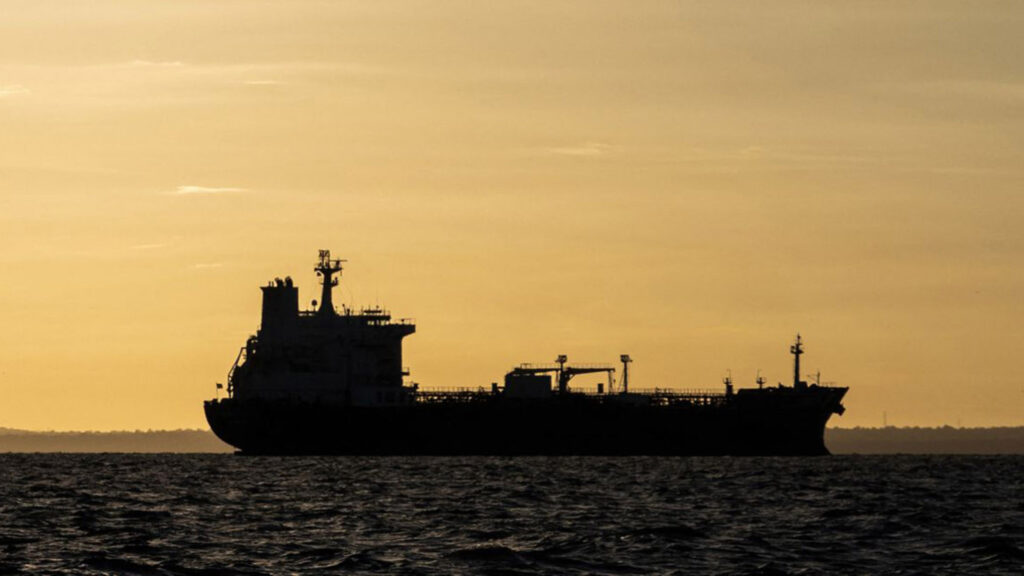
Perhaps the issue with the widest economic impact is the possibility of a global oil crisis.
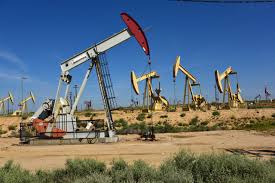
Oil remains one of the world’s most important commodities, powering transportation, manufacturing, agriculture, and industrial production. Even relatively small disruptions to global oil supplies can have significant consequences for inflation, consumer prices, and economic growth.
Ongoing geopolitical tensions in several regions have increased uncertainty within energy markets. Investors are watching closely for any developments that could disrupt production or transportation routes, leading to higher oil prices and increased market volatility.
A prolonged rise in energy costs would affect businesses and households alike. Higher fuel prices increase transportation expenses, raise production costs for manufacturers, and often contribute to inflation across multiple sectors. Governments may also face additional challenges balancing economic growth with energy security.
For businesses, fluctuating oil prices can influence investment decisions, supply chain planning, and operating costs. For consumers, they often translate directly into higher prices for fuel, food, and everyday goods.
Why These Developments Matter
Although these stories involve different countries and policy issues, together they illustrate how interconnected modern geopolitics has become.
Political leadership changes in the United Kingdom, evolving U.S. foreign policy toward Cuba, and uncertainty in global energy markets each have the potential to influence financial markets, diplomatic relations, trade flows, and investor confidence worldwide.
In today’s global economy, decisions made by political leaders rarely remain confined within national borders. Instead, they create ripple effects that shape markets, international cooperation, and economic stability across continents.
Looking Ahead
As these developments continue to unfold, governments, businesses, and international organizations will be watching closely for signs of change.
Whether it is the future of British leadership, the direction of U.S.-Cuba relations, or the stability of global energy markets, each issue represents an important piece of a much larger geopolitical picture.
The coming weeks and months may prove decisive in determining how these events influence international politics and the global economy. While uncertainty remains, one thing is clear: the world is entering a period where political decisions, diplomatic strategy, and economic resilience will be more interconnected than ever before.