IOI
IOI
Former U.S. President Donald J. Trump has once again weighed in on one of the world’s most pressing geopolitical crises, calling for an end to the ongoing conflict between Israel and Hezbollah. In a candid and direct statement that has drawn widespread attention, Trump emphasized the devastating human cost of the prolonged fighting and urged a move toward resolution.
Trump’s Statement
Speaking on the issue, Trump stated:
“Israel’s fighting Hezbollah too long and too many people are being killed.”
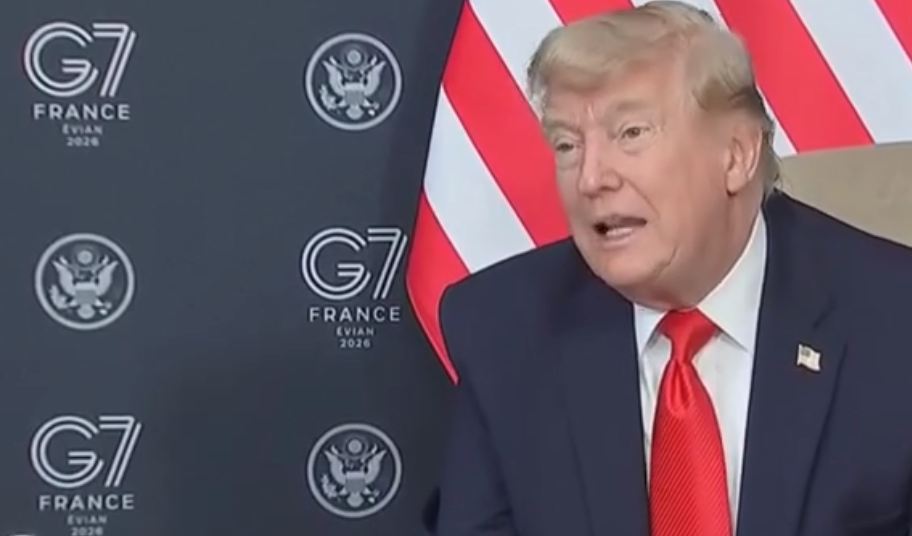
The remark, which was widely circulated on social media through clips shared by the PBD Podcast and other news outlets, reflects Trump’s concern over the escalating violence and the growing number of casualties resulting from the conflict.
Though brief, the statement carries significant weight, particularly given Trump’s influence in international political discussions and his long-standing involvement in Middle Eastern diplomacy during his presidency.
A Conflict With Growing Consequences
The conflict between Israel and Hezbollah has remained a major source of instability in the Middle East. What began as cross-border tensions has evolved into a broader security concern, affecting not only Israel and Lebanon but also regional and global geopolitical dynamics.
As military operations continue, civilian populations on both sides have been impacted. Communities have faced displacement, infrastructure damage, and growing uncertainty about the future. International organizations and world leaders have repeatedly expressed concern over the humanitarian consequences of the ongoing violence.
Trump’s statement focuses squarely on this human dimension. Rather than discussing military objectives or strategic advantages, his remarks highlight the cost paid by ordinary people caught in the conflict.
Consistent With Trump’s Foreign Policy Approach
The former president’s comments align with his broader “America First” foreign policy philosophy, which has often emphasized reducing prolonged military engagements and encouraging negotiated outcomes to international disputes.
Throughout his political career, Trump has frequently criticized wars and conflicts that continue for extended periods without clear resolutions. He has argued that prolonged military confrontations often result in unnecessary loss of life, economic strain, and regional instability.
Supporters of Trump point to diplomatic initiatives during his administration, including the Abraham Accords, as examples of his preference for negotiated agreements over extended conflicts. His latest remarks on the Israel-Hezbollah situation appear to follow a similar line of thinking.
Several key themes emerge from Trump’s statement:
- Recognition that the conflict has continued for too long.
- Concern over the increasing number of casualties.
- An implied call for de-escalation and diplomatic engagement.
- A focus on preventing further humanitarian suffering.
International Attention on the Middle East
Trump’s comments come at a time when the Middle East remains under intense international scrutiny. Alongside tensions involving Hezbollah and Israel, global leaders are closely monitoring developments in Iran, Lebanon, and other areas that could influence regional stability.
The possibility of a wider escalation remains a concern for policymakers around the world. Analysts warn that prolonged hostilities could increase the risk of broader regional involvement, making diplomatic efforts even more important.
Against this backdrop, Trump’s statement serves as another prominent voice calling attention to the urgency of finding a path toward peace.
What Could Happen Next?
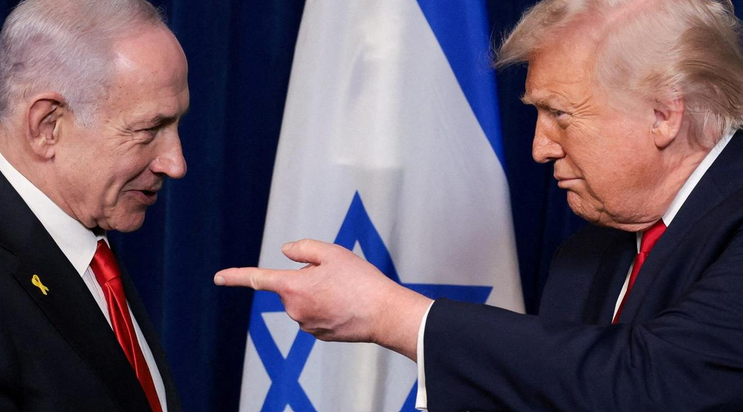
Whether Trump’s remarks will have any direct impact on policy decisions remains uncertain. However, his comments contribute to an ongoing global debate about how best to address the conflict and prevent further loss of life.
Some observers interpret his statement as a call for stronger diplomatic initiatives and ceasefire efforts. Others view it as part of a broader argument that leaders should prioritize ending conflicts before they become even more destructive.
What is clear is that the humanitarian toll continues to be a major concern. As military operations persist, pressure is growing on international actors to support efforts aimed at reducing violence and creating conditions for long-term stability.
A Simple but Powerful Message
In an era when political statements are often lengthy and complex, Trump’s message was remarkably straightforward. Regardless of political affiliation or perspective on the conflict, the statement highlights a reality that many observers agree upon, the human cost of war remains immense.
As the situation continues to evolve, the international community will be watching closely to see whether diplomatic efforts can gain momentum and whether a lasting resolution can be achieved.
What Do You Think?
Should the United States and other global powers push harder for a ceasefire and negotiated settlement in the Israel-Hezbollah conflict? Share your thoughts and join the discussion in the comments below.