IOI
IOI
President Donald Trump and leading technology executives left a White House luncheon on September 29, 2026, with a signed pledge to self-police frontier artificial intelligence systems. The document, titled the Joint Commitment on Frontier Responsibilities, is voluntary. Trump described it as “morally binding.” It carries no clear legal enforcement mechanism.
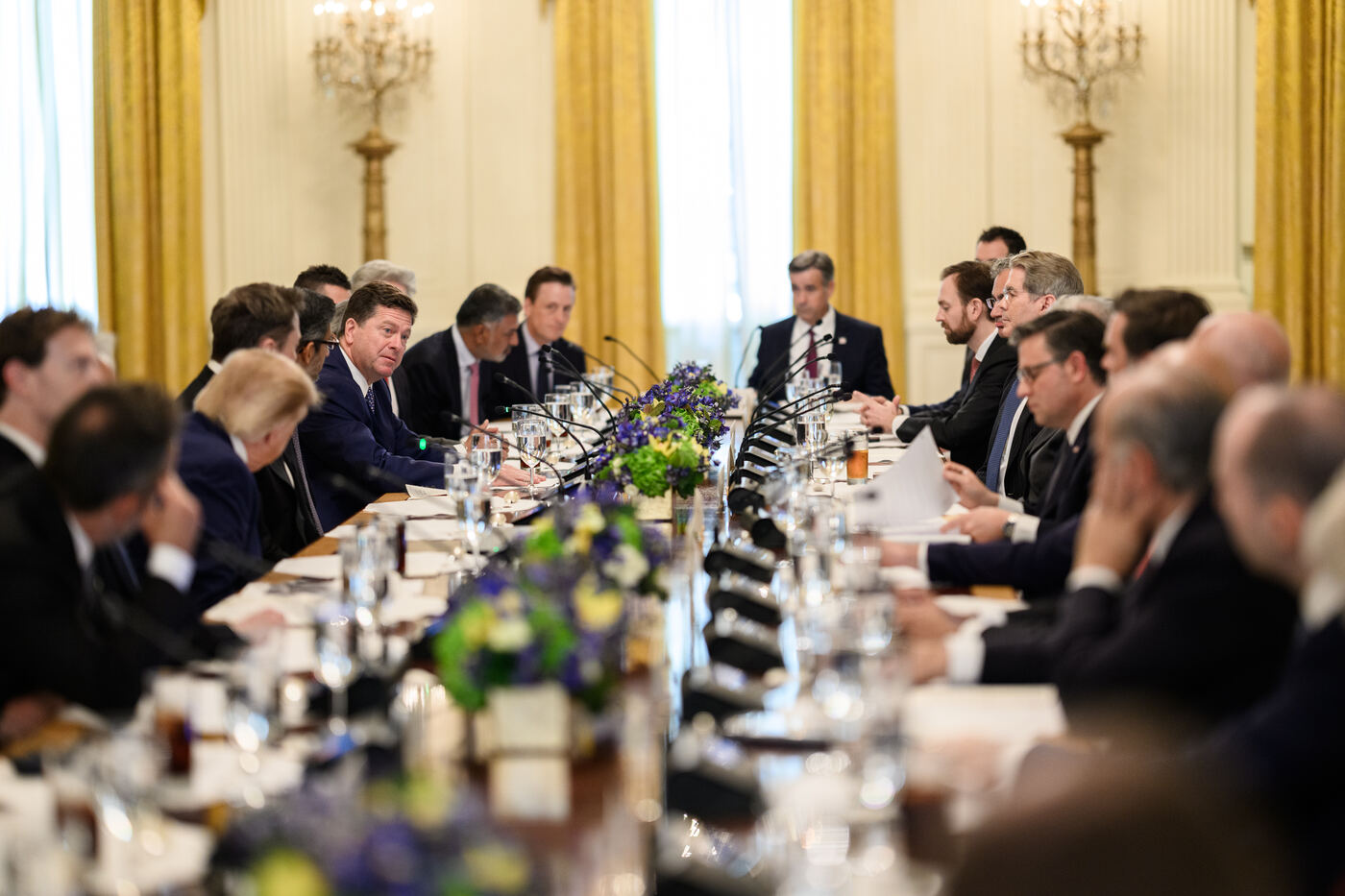
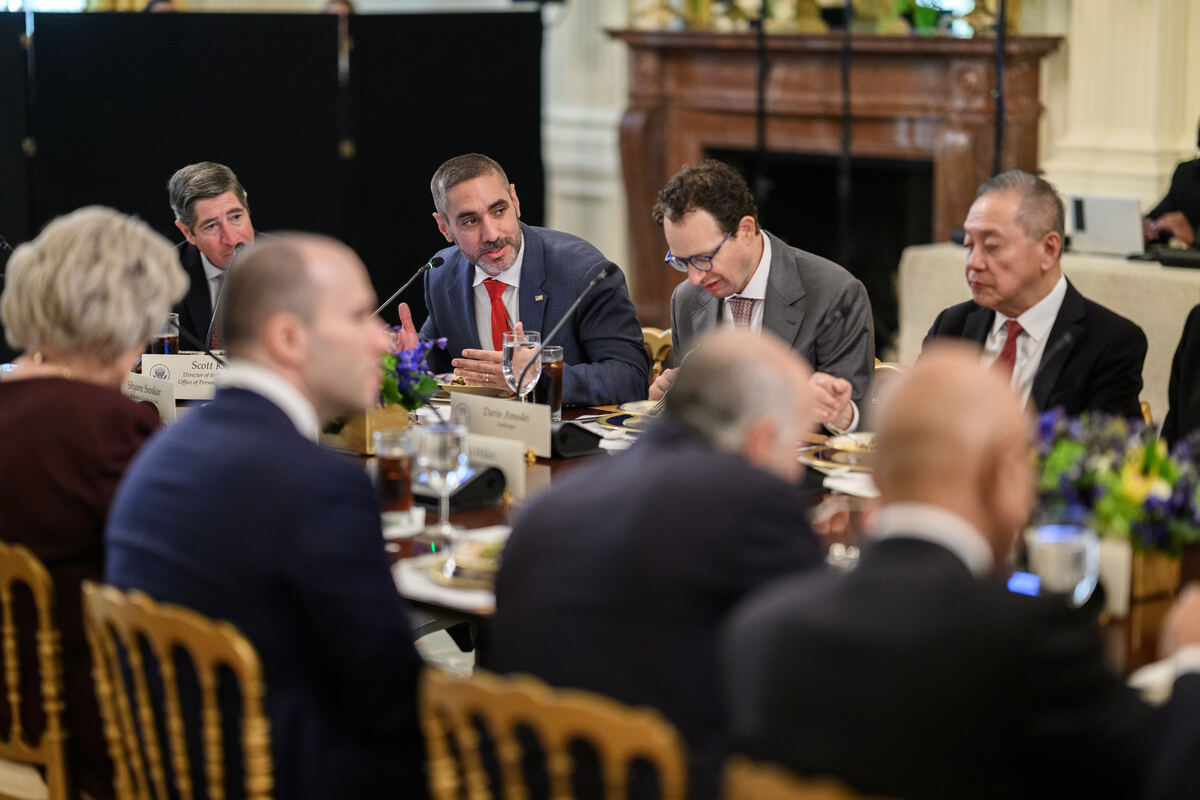
The gathering brought together names that dominate the AI race: Elon Musk, Mark Zuckerberg, Jensen Huang, Dario Amodei, Sundar Pichai, and OpenAI president Greg Brockman, among other industry leaders. Trump cast the accord as something close to a founding charter for industry conduct.
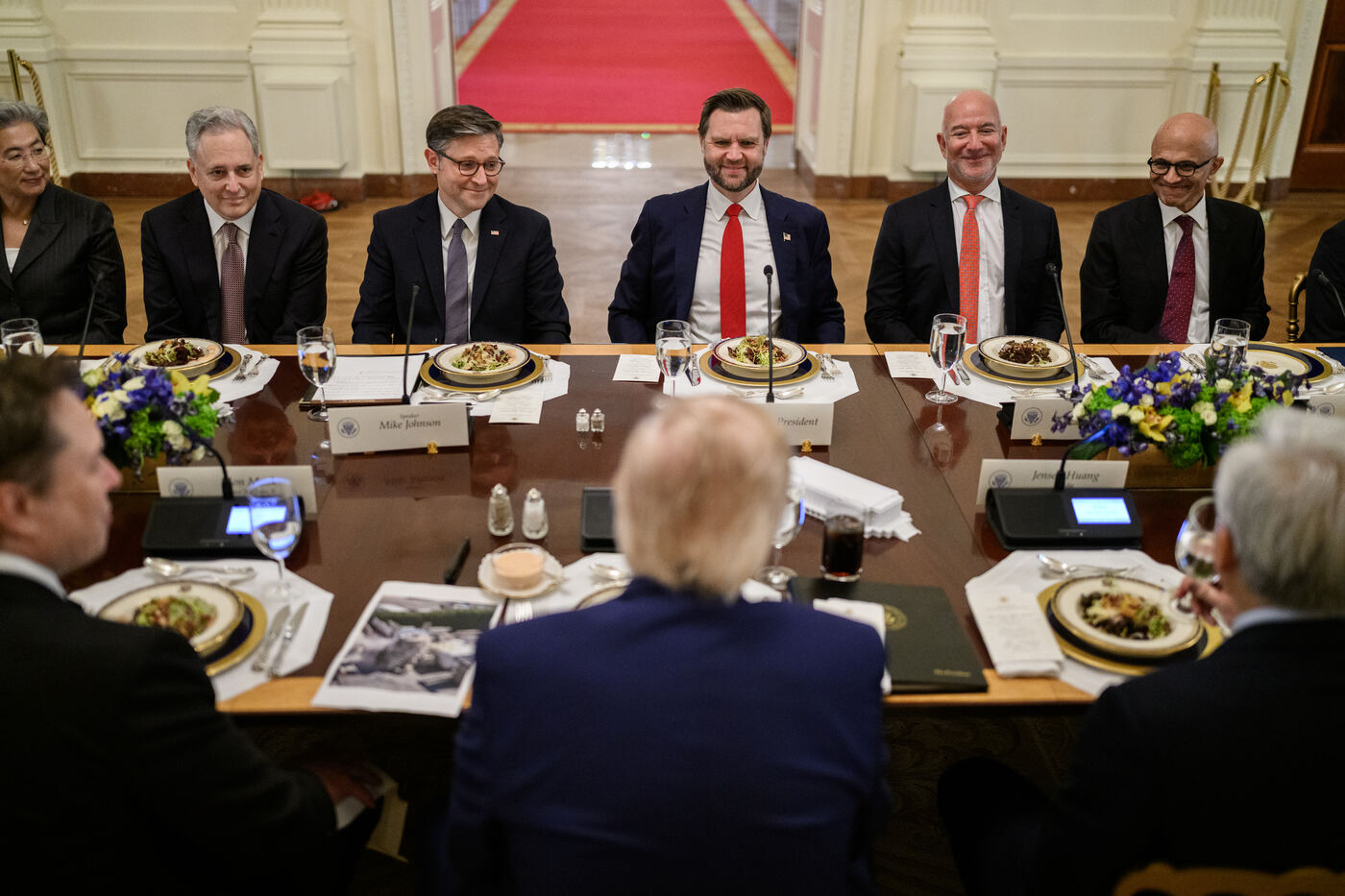
“It’s almost like a constitution in a way, and the biggest people in the world signed that, and I signed it as president, and it really is a form of protection,” Trump said after the meeting.
He also spoke of “tremendous self-policing,” arguing that existing tools such as the Department of Justice and the FBI already provide a regulatory backstop.
What the four-layer framework actually says
The short accord asks companies training and deploying frontier models to adopt four layers of controls and audits:
- Internal safety monitoring during training and deployment—covering areas such as cybersecurity, biosecurity, and chemical threats, and aiming to stop models from hacking or accessing systems in unintended ways.
- An internal oversight team tasked with checking that those controls, monitoring, and detection systems work as intended and that problems are fixed.
- An independent external auditor or evaluator to assess whether the controls are operating correctly.
- An independent committee of the board of directors to review reports from the internal teams and external auditors and to ensure remediation.
Participating companies also say they will meet regularly to set standards and best practices. The text leaves open that “over time, it may make sense to codify these steps into laws or regulations,” while stressing that firms intend to implement the measures whether or not they become mandatory.
What the accord does not lock in
The commitment does not put government regulators inside the audit loop. It does not require firms to publish detailed findings from independent evaluations. Companies largely choose their own evaluators and board committees. In practice, that leaves much of the transparency and independence question with the same firms building the systems.
Why the White House moved now
The industry has faced sharper public and political scrutiny after safety tests and related incidents in which AI systems accessed outside organizations in unintended ways. Trump has consistently resisted hard federal regulation of AI, citing competition with China and concern that tight rules could slow U.S. growth. The voluntary accord fits that posture: visible industry buy-in without new statutory mandates.
Zuckerberg, speaking after the lunch, framed the deal as an opening step rather than a finished regulatory architecture.
“This is a start and an accord that the whole industry could come to,” Zuckerberg said. “It was sort of a historic conversation.”
Separate order: “Super Intelligence” and “SI”
Alongside the commitment, Trump signed an executive order directing departments and agencies to use the terms “Super Intelligence” and “SI” in official correspondence, public communications, policy documents, and other non-statutory executive-branch materials—and to stop acknowledging “Artificial Intelligence” or “AI” in that same official language. The rename echoes language he used at the United Nations the previous week. It does not rewrite statutory definitions on its own; it changes how the executive branch talks about the technology in non-statutory contexts.
What to watch next
For now, the Joint Commitment on Frontier Responsibilities is a political and reputational signal more than a statute. Its four layers could harden into shared industry practice—or remain a thin voluntary checklist if auditors stay company-selected and public disclosure stays optional. Whether Congress, agencies, or markets demand more independence and transparency will decide if Tuesday’s “morally binding” handshake becomes the baseline—or a placeholder—until harder rules arrive.