IOI
IOI
Geography still beats algorithms when the world’s oil has to squeeze through a few narrow straits. In mid-September 2026, that old rule returned with force. Iran-aligned Houthi forces consolidated control along Yemen’s Red Sea coast — including positions around Mokha and islands such as Perim and Mayun — tightening their grip on the approaches to Bab el-Mandeb, the 26-kilometre “Gate of Tears” linking the Red Sea to the Gulf of Aden.
At the same time, pressure around the Strait of Hormuz has not gone away. Together, those chokepoints sit on routes that move a huge share of global energy. When both feel contested, markets do not wait for a full blockade. They price the risk.
From map pin to pump price
Brent crude jumped toward $108 a barrel around 14 September — a sharp climb from earlier in the conflict window — as traders digested Houthi coastal gains, strikes on Saudi energy infrastructure, and higher freight and insurance for Red Sea transit. Diesel spikes in other markets were a reminder that crude is only the headline; products and shipping costs travel with it.
For India, the arithmetic is blunt. Reporting citing Indian energy maths has long framed each $1 rise in oil as roughly $2 billion extra foreign-exchange outgo (about ₹19,000 crore). That is not abstract macro. It feeds into current-account pressure, subsidy debates, and what households pay at the pump and for LPG.
Saudi Arabia remains one of India’s major crude suppliers — on the order of ~8% of Indian oil imports in recent tallies — with a meaningful share moving via Red Sea outlets such as Yanbu. When Houthi activity squeezes Saudi Red Sea infrastructure, and when the kingdom’s East–West pipeline (built partly to bypass Hormuz) is forced offline after drone strikes, the “safe alternate route” story weakens. August Saudi crude supply falling to multi-decade lows only sharpens the scarcity narrative markets trade on.
Two straits, one squeeze
Think of the Arabian Peninsula as a peninsula-sized valve. Hormuz gates the Gulf. Bab el-Mandeb gates the Red Sea–Suez corridor. Suez then links to Europe and beyond. Disrupt one, and ships reroute at a cost. Disrupt two at once, and spare capacity, inventories, and political assurances start looking thin.
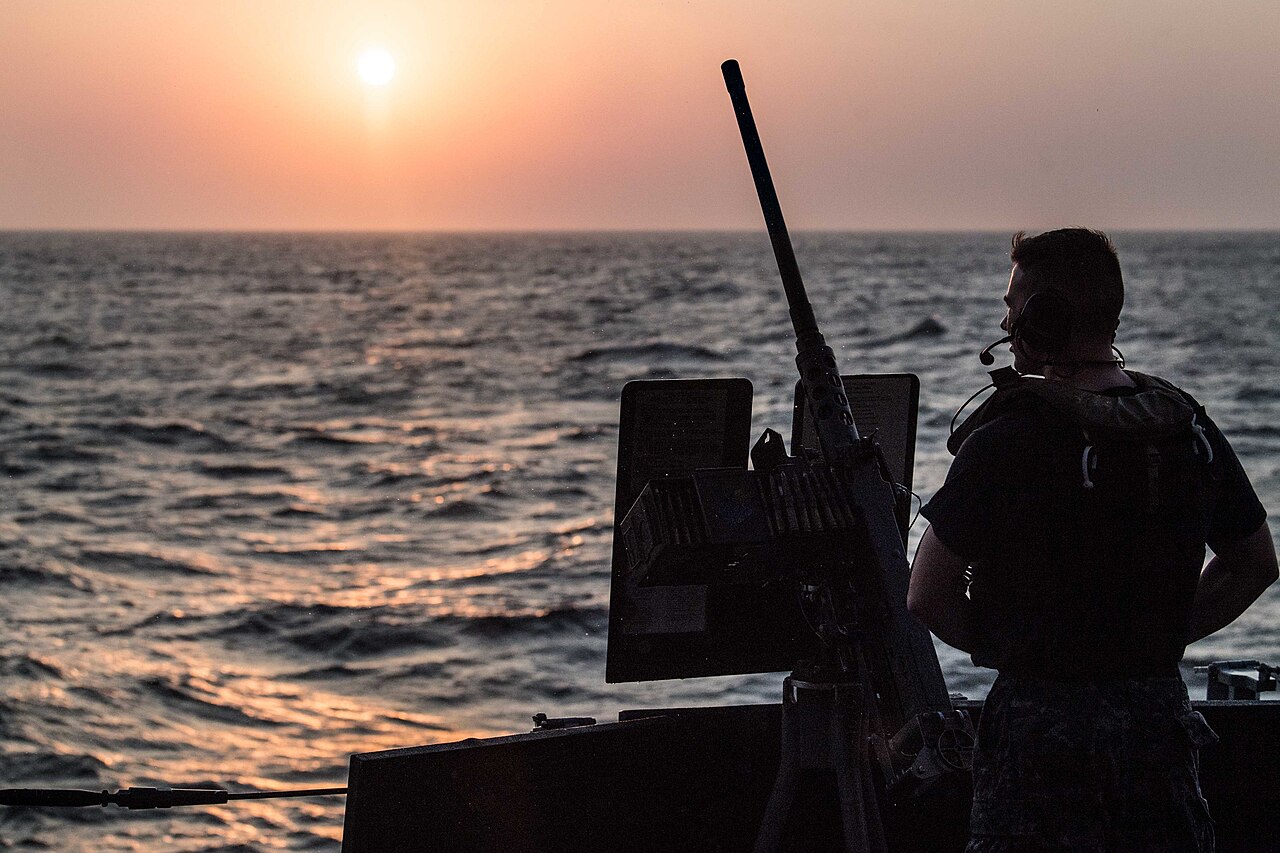
Houthi coastal control matters because range and line of sight change the game. Drone and missile harassment from inland redoubts was already enough to scare some shippers after 2023. Holding the coastline and key islands puts coercive leverage much closer to the channel itself — even if every vessel is not physically stopped.
What India can and cannot control
New Delhi cannot redraw the Red Sea. It can diversify suppliers, keep strategic petroleum reserves topped up, accelerate domestic exploration and renewables, and keep diplomatic bandwidth on Indo-Middle East connectivity and maritime security. It can also talk honestly about the trade-off: cheaper Russian barrels eased the last shock cycle for some importers, but chokepoint risk is not solved by a single bilateral discount.
The innovation angle is real too. Better logistics intelligence, insurance modelling, and energy-transition speed are competitive advantages when freight lanes become political weapons. Countries that treat energy security as an IT-and-infrastructure problem — not only a diplomatic one — will absorb shocks with less panic.
The takeaway
This is not a distant Yemen story. It is a reminder that India’s growth story still rides on tankers that must pass someone else’s coastline. When Bab el-Mandeb and Hormuz tighten together, the bill shows up in rupees long before it shows up in history books.
For Innovative India’s readers, the watchlist is simple: Brent, Red Sea freight/insurance, Saudi export routing, and New Delhi’s buffer stocks. Geography set the trap. Policy and diversification decide how hard it snaps.