IOI
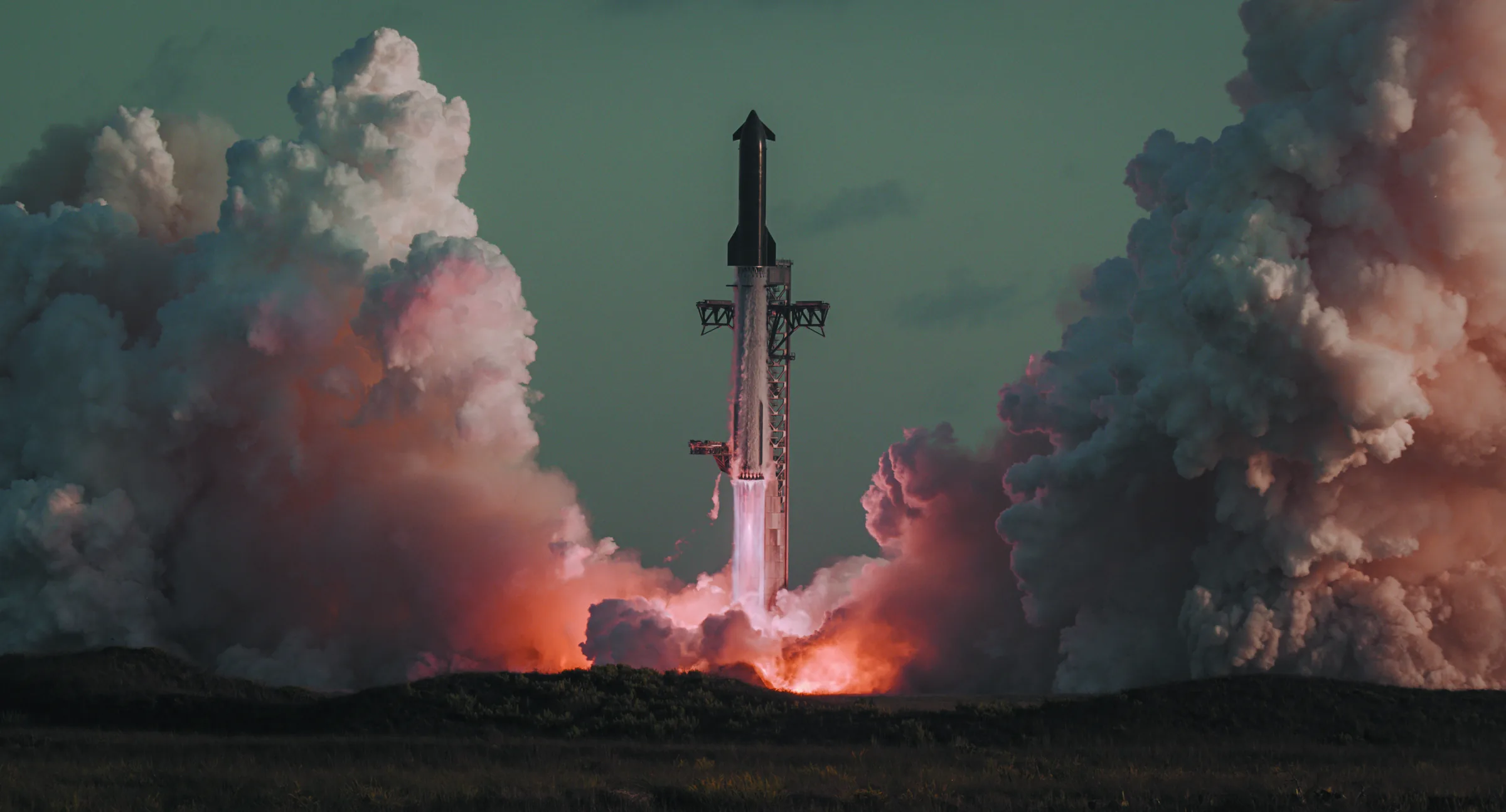
For years, fans have joked that Tesla and SpaceX are really one company wearing two jackets. They share a CEO, they share engineers, and lately they even share hardware: Tesla’s next-generation Roadster, unveiled on 15 October, borrows cold-gas thrusters from SpaceX. Now the joke has turned into a formal question. On 20 October 2026, Elon Musk said both companies have set up special committees to look at a possible merger.
It is not a deal yet, and it might never be one. But if it happens, it could be one of the most consequential corporate combinations in history, and not only for investors.
What Elon Musk actually said
The news came during SpaceX’s third-quarter earnings call. Asked about a tie-up, Musk was unusually careful. “Do I think it would be a good idea? Yes,” he said, as reported by the BBC. In the same breath he cooled the hype: “The special committees have not reached agreement on terms of any transaction and there’s no guarantee that they will. But I do think there is a lot of merit to merging and a lot to be gained.”
Sawyer Merritt shared a clip of Musk’s remarks on X:
https://twitter.com/SawyerMerritt/status/2112656640180904002
According to NBC News, Musk also said: “I think some people out there assume that a SpaceX and Tesla merger is a certainty, and I think that would be overstating it.” Because he runs both companies, he called himself a conflicted party and said he is not on either committee. He described the process as “an odd Kabuki dance, where groups of people are talking and I can’t be in the conversation.”
The next day, on Tesla’s own earnings call, he declined to add anything. “I think I said everything that should be said yesterday,” he told investors (CNBC), describing the topic as “tap dancing through a minefield.”
What is confirmed, and what is not
With headlines this big, it helps to separate the facts from the hopes.
- Confirmed: Tesla and SpaceX have each formed a special committee of independent directors to explore a combination. Musk says this was done at the request of shareholders.
- Confirmed: Musk personally supports the idea, but he is staying out of the talks because he is conflicted.
- Confirmed: No terms have been agreed. There is no price, no exchange ratio and no structure.
- Confirmed: Shareholders would decide. Musk said that on the Tesla side, approval would need a majority of all outstanding shares, not just of the votes cast, which he called “quite a high hurdle” (Yahoo Finance).
- Not confirmed: Whether a deal happens at all, when, or which company would buy the other. No merger proposal is on the agenda for Tesla’s 3 December shareholder meeting. Analyst forecasts and prediction-market odds are speculation, not announcements.
So the honest headline is “might”, not “will”. For a story this size, though, “might” is still a big deal.
Two giants that are already intertwined
The size alone is staggering. The BBC puts Tesla’s value at roughly $1.5 trillion and SpaceX’s at about $2 trillion. SpaceX listed on the stock market in June, and before that it had absorbed xAI and X. NBC reports that SpaceX acquired xAI in February and has since renamed it SpaceXSI.
The two companies already overlap in several places:
- Money: In January, Tesla agreed to invest about $2 billion in the AI company that is now a SpaceX subsidiary (NBC).
- Chips: Terafab, a joint chip-manufacturing effort with a factory planned in Grimes County, Texas, alongside Intel (CNBC).
- Hardware: The new Roadster uses SpaceX thruster technology.
Musk’s own post after the Roadster reveal said it in three words:
https://twitter.com/elonmusk/status/2110894635904110632
Why it could be big for humanity
Musk’s case for a merger isn’t about cost cuts. It’s about combining capabilities. “I do think there’s a lot of merit to combining the companies, as we are pretty much in the superintelligence singularity, and there’s a lot to be gained from cooperating,” he said on the call (NBC). He named the overlap: AI software, chip design, the Terafab project, robotics, getting mass to orbit, and connectivity.
Put those pieces together and you can see why supporters get excited:
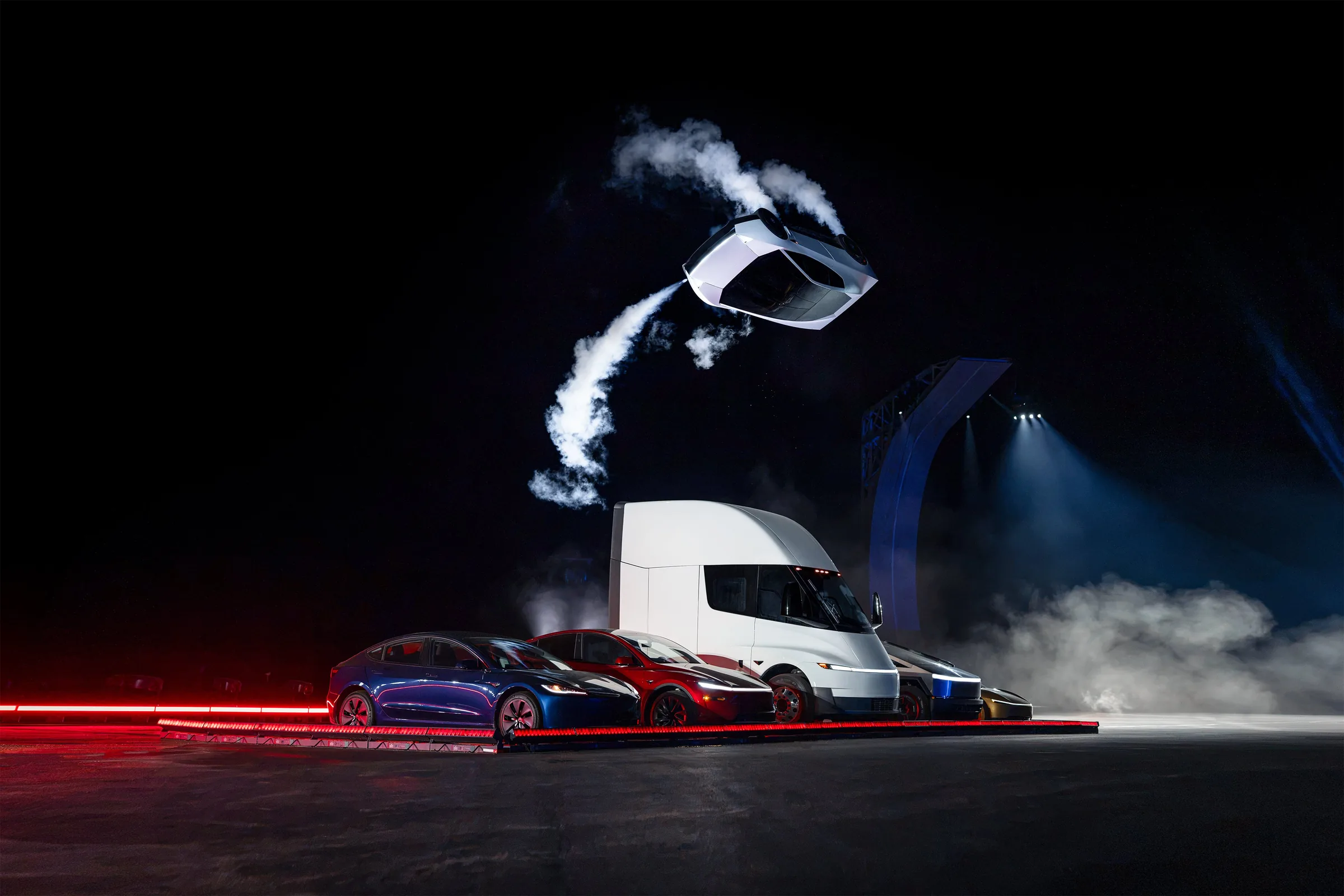
- Space: SpaceX says Starship reached orbit for the first time on Flight 14. On Flight 15, expected next month, it will try to catch both the booster and the ship. Musk called that “a profound technology milestone”: a fully reusable rocket could make getting to orbit far cheaper.
- AI and compute: SpaceX’s AI computing business is now its biggest. It brought in about $7.5 billion last quarter, ahead of Starlink’s $5.2 billion (BBC). Total quarterly revenue reached $14.6 billion, up 161% from a year earlier.
- Robotics: On Tesla’s call, Musk repeated his belief that Optimus, Tesla’s humanoid robot, “will be the biggest product on Earth”. In the same breath he tempered expectations, saying about a year of hard work remains.
- Energy: Tesla builds batteries and solar. SpaceX’s data centres and launch sites need huge amounts of power. A combined company would have energy supply, AI compute and manufacturing under one roof.
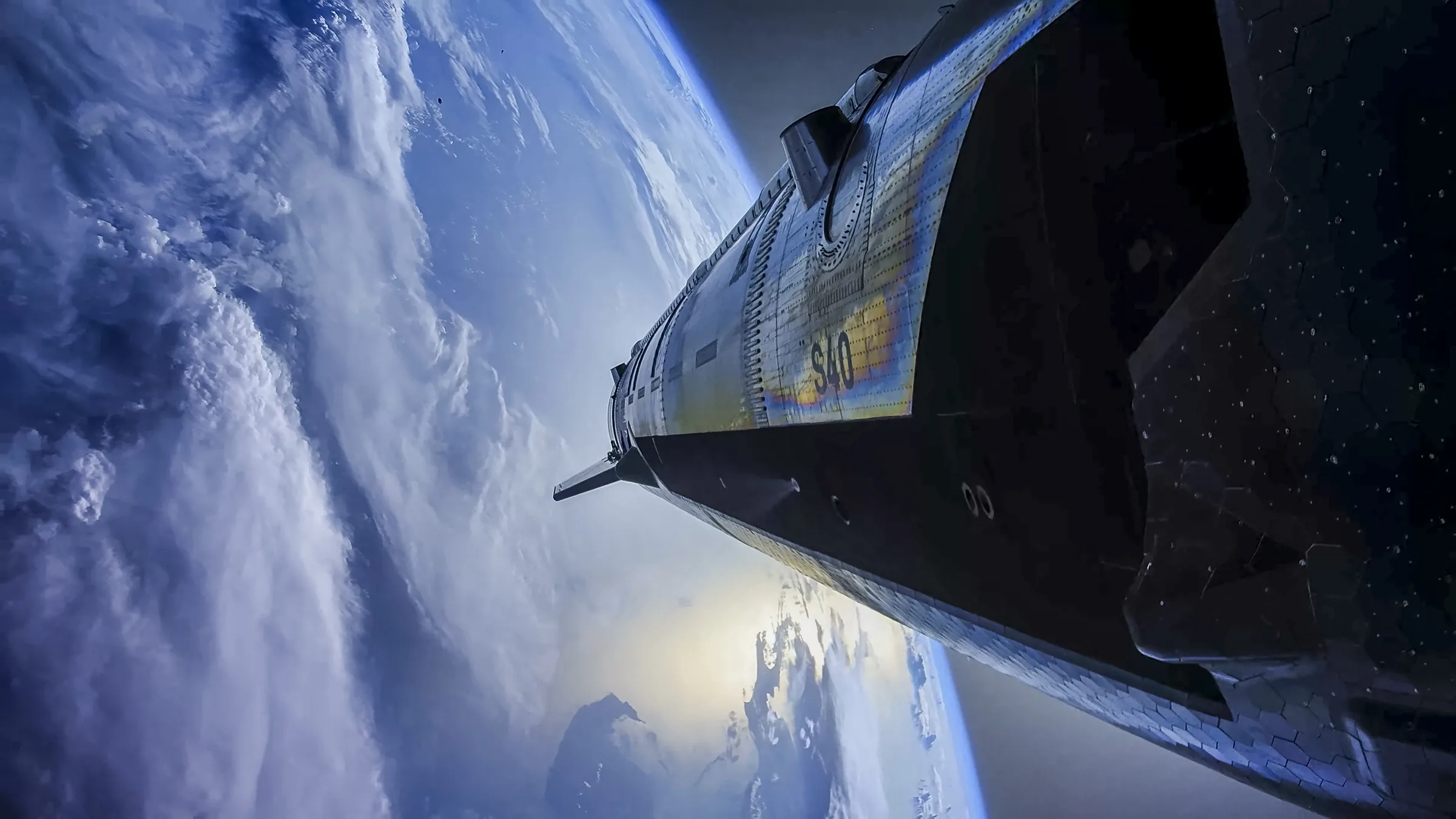
The vision behind all of this is a single engine for turning energy into intelligence and intelligence into machines: cars that drive themselves, robots that work, satellites that connect the planet and rockets that carry it all beyond Earth. Musk’s mood after the SpaceX results was unmistakably bullish:
https://twitter.com/elonmusk/status/2112666467712073815
That is an ambition, not a forecast anyone has audited. It does show the scale Musk is thinking at.
The hurdles are real
Optimism shouldn’t hide the hard parts. Because one person leads both companies, the independent committees have to show they negotiated at arm’s length for their own shareholders. Tesla’s approval threshold is high. A deal this large would likely face regulatory review. And the businesses still differ: Tesla’s car revenue is under pressure, while SpaceX’s growth is coming from AI compute and Starlink. Plenty of shareholders on both sides will ask whether they are getting a fair share.
The bottom line
Tesla and SpaceX might just merge, and if they do, it could be big for humanity. It could link rockets, robots, AI and clean energy into one long-term mission. For now, the honest status is simple: two independent committees are talking, no terms exist, shareholders get the final say, and the man at the centre of it all has stepped back from the table. We’ll be watching closely, and hopefully.
Thanks to Anjali for suggesting this topic.
Sources: BBC, NBC News, Yahoo Finance, CNBC, WSJ, Tesla Q3 2026 call transcript (Motley Fool), TechCrunch. This article is for information only and is not investment advice.