

 IOI
IOI
The Wildest Plot Twist in Music History
Sixteen months ago, Warner Music Group (WMG) wanted Suno dead.
In June 2024, WMG – together with Universal and Sony – filed one of the biggest copyright lawsuits in music history, demanding more than $250 million and accusing the AI music startup of training its models on thousands of copyrighted recordings without permission or payment.
Fast-forward to 25 November 2025: the same Warner Music announces a “first-of-its-kind strategic partnership” with Suno, settles the entire lawsuit, hands over its live-music platform Songkick… and basically declares AI music is now officially legit.

As WMG CEO Robert Kyncl put it in the press release:
“This partnership proves that AI becomes pro-artist when it adheres to our principles: consent, credit, and compensation. We’re excited to lead the industry into a future where technology expands opportunity for creators, not exploitation.”
The prosecutor just hired the defendant. And every working musician on the planet needs to pay attention.
What Suno Actually Is (and Why Musicians Cared)
Suno lets anyone type a text prompt (“upbeat 90s Bollywood meets trap” or “Taylor Swift singing about heartbreak in Portuguese”) and get a full, radio-ready song with vocals in under 30 seconds.
Until this week, those hyper-realistic vocals were trained on whatever scraped the internet – including your releases – without asking or paying a cent. That’s exactly why the majors sued.

The 2024 Lawsuit – The Evidence That Almost Killed Suno
Discovery was brutal. Internal Suno screenshots leaked showing engineers joking about “just feed it everything” and deliberately hiding training sources. Damages could have reached nine figures per label. Suno was staring at bankruptcy or a forced shutdown.
The 2025 Deal – What Musicians Actually Won
Instead of a corpse, Warner chose collaboration. The settlement is packed with concrete wins for creators:
100 % opt-in only: No artist is forced in. You decide if your voice, likeness, name, or catalog can be used.
Real royalties: Every time a user generates a track using your official AI voice or compositions, you get paid – both upfront generation fees and potential downstream streaming royalties.
Official celebrity voices in 2026: For the first time ever, users will legally be able to create songs with AI versions of Cardi B, Zach Bryan, Bruno Mars, Lizzo, Ed Sheeran, and hundreds more Warner artists – and those artists get compensated.
Suno is retiring its current (unlicensed) models and launching brand-new ones in 2026 trained exclusively on licensed Warner repertoire plus opt-in independent catalogs.
Strict download limits (especially on the free tier) to stop AI tracks from flooding Spotify and devaluing human music.
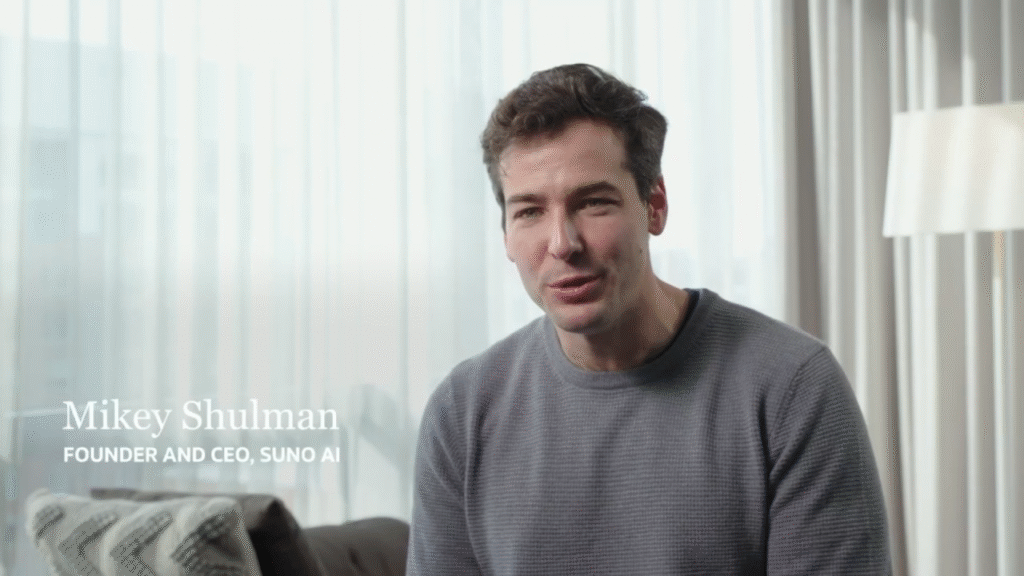
Suno CEO Mikey Shulman celebrated the shift:
“This isn’t just a settlement – it’s a blueprint. We’re building the first AI music platform that creators actually want to be part of, because they control it and they get paid from it.”
Songkick Acquisition – The Live-Music Superpower
The deal gets even sweeter: Suno is acquiring Songkick, Warner’s concert-discovery platform with tens of millions of users.
Picture this workflow in 2026:
You prompt Suno: “Make a song that sounds like Linkin Park in 2025.”
Suno uses the official licensed Linkin Park AI voice pack.
The moment the track finishes, Songkick pops up: “Linkin Park are playing London, Mumbai, and São Paulo next summer – grab tickets now.”
Some venues might even let you submit your AI creation for pre-show fan playlists or VIP experiences.
Every AI generation becomes a potential ticket sale for the real artist. Live music – still the #1 revenue source for most acts – just got an AI turbocharge.
Why This Is Bigger Than Just Warner
Universal and Sony are already in late-stage negotiations (multiple reports confirm talks are “advanced”).
Once all three majors are on board – expected in 2026 – the entire recorded-music catalog becomes legally usable in AI tools, with artists compensated.
Distributors like DistroKid, TuneCore, and CD Baby are preparing similar opt-in programs for independents. The grey-market era of AI music is ending faster than anyone predicted.
What It Means for Working Musicians in 2026 and Beyond
Your voice becomes a 24/7 passive collaborator that pays you royalties.
Fans will pay $5–$20 to generate a song “featuring” you – and you get a cut without writing a single lyric.
Bedroom producers can finally use superstar vocals legally instead of getting demonetized or sued.
You’re no longer scared of being replaced by AI – you’re licensing the replacement.
Closing Thought
Yesterday the music industry called it theft.
Today they’re calling it a revenue share.
By 2026, the smartest musicians won’t be fighting AI – they’ll be cashing checks from it.